
Critical Signs Your Home and Chimney Safety Integrity is at Risk.
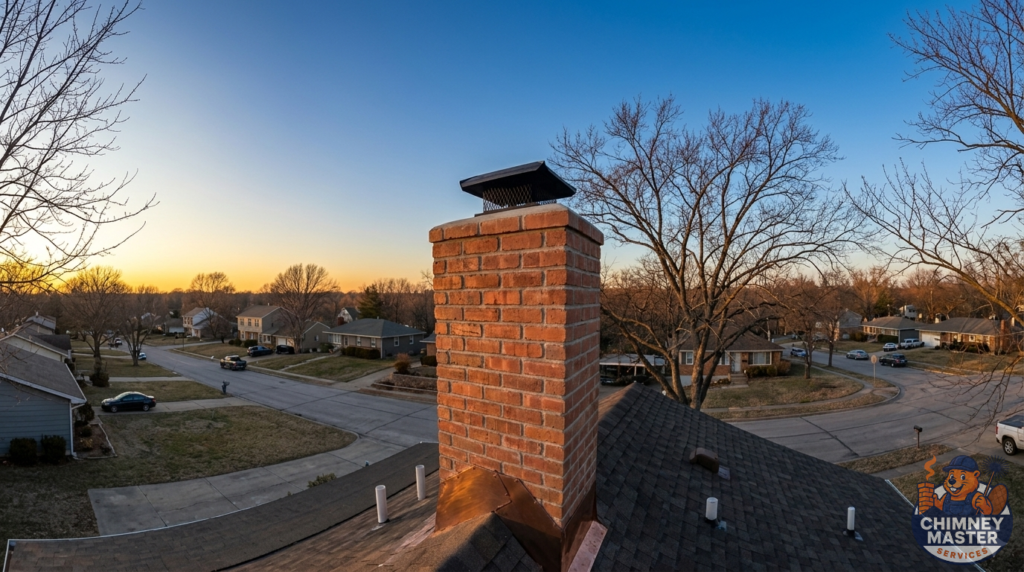
As a homeowner in the Kansas City area, you know how unpredictable our Midwest weather can be. When the temperature drops, there is nothing better than lighting up the fireplace. But when was the last time you actually looked at what’s happening inside your chimney?
Keeping your chimney safe isn’t just about keeping the fire burning; it’s about protecting your home and family from structural damage, toxic fumes, and devastating fires. To help you stay ahead of potential disasters, here are 7 critical warning signs that mean your chimney needs professional attention immediately.
1. Highly Flammable Creosote Buildup
Take a flashlight and look inside your firebox and flue. Do you see a thick, black, flaky, or shiny, tar-like substance coating the walls? That is creosote, a highly flammable byproduct of burning wood. Creosote buildup is the number one cause of dangerous chimney fires. If you notice a heavy buildup, your chimney is a ticking time bomb and needs a thorough professional sweep to keep your home and chimney safe.
2. Cracks in the Firebox Walls
The firebox is the area where the actual fire burns. It is specially designed to withstand extreme temperatures, keeping the intense heat contained. If you spot cracks inside the firebox bricks or mortar, it means the heat is no longer trapped where it belongs. Instead, that heat can penetrate through the cracks and reach the hidden structural walls of your home. Schedule Your Free Chimney Inspection Now
3. Rough or Stepped Smoke Chambers
The smoke chamber acts as a funnel, transitioning smoke smoothly from the firebox into the flue. In many older chimneys, this area is built with “stepped” or corbeled bricks instead of having a smooth surface. These rough brick steps create severe air turbulence and trap exhaust byproducts, leading to accelerated creosote accumulation. Over time, a rough smoke chamber restricts draft efficiency, which can cause smoke to back up into your living room.
4. Cracked, Broken, or Missing Chimney Liner
The chimney liner is one of the most critical safety components of your entire system. Its job is to safely channel intense heat, sparks, and toxic gases up and out of your home. If your clay liner is cracked, broken, or missing entirely, dangerous heat can transfer to the combustible wooden frame of your house, or deadly carbon monoxide can leak into your living space.
5. Unstable or Damaged Chimney Structure
If you look at your chimney from the outside and see it tilting, leaning, or showing massive structural cracks, you are facing a severe safety hazard. An unstable chimney structure loses its integrity over time due to weather exposure and shifting foundations. If left unaddressed, it can collapse completely, destroying your roof or causing severe injury.
6. Water Leaks Into the Roof and Ceiling
If you notice water stains on the ceiling or walls near your fireplace, your chimney is likely leaking. This water penetration usually stems from three common culprits: cracks in the concrete chimney crown, damaged or aging flashing (the metal sealing where the chimney meets the roof), or deteriorating cracks in the exterior bricks.
7. Missing Chimney Cap
A chimney without a proper cap is wide open to the elements. Without it, heavy rain pours straight down into your system, causing moisture damage and rusting metal components. Even worse, local wildlife like birds, squirrels, and raccoons love to use an uncapped chimney to build nests, which completely block airflow and create a massive fire hazard.
Don’t Guess When It Comes to Keeping Your Chimney Safe.
If you spot even one of these warning signs, it’s time to put down the DIY tools and call in the experts. Ignoring a minor chimney issue can lead to thousands of dollars in structural repairs, or worse, a house fire. Contact Chimney Master today to schedule a professional chimney inspection and sweep!
